

5 Ways to Build on Your Easter Momentum
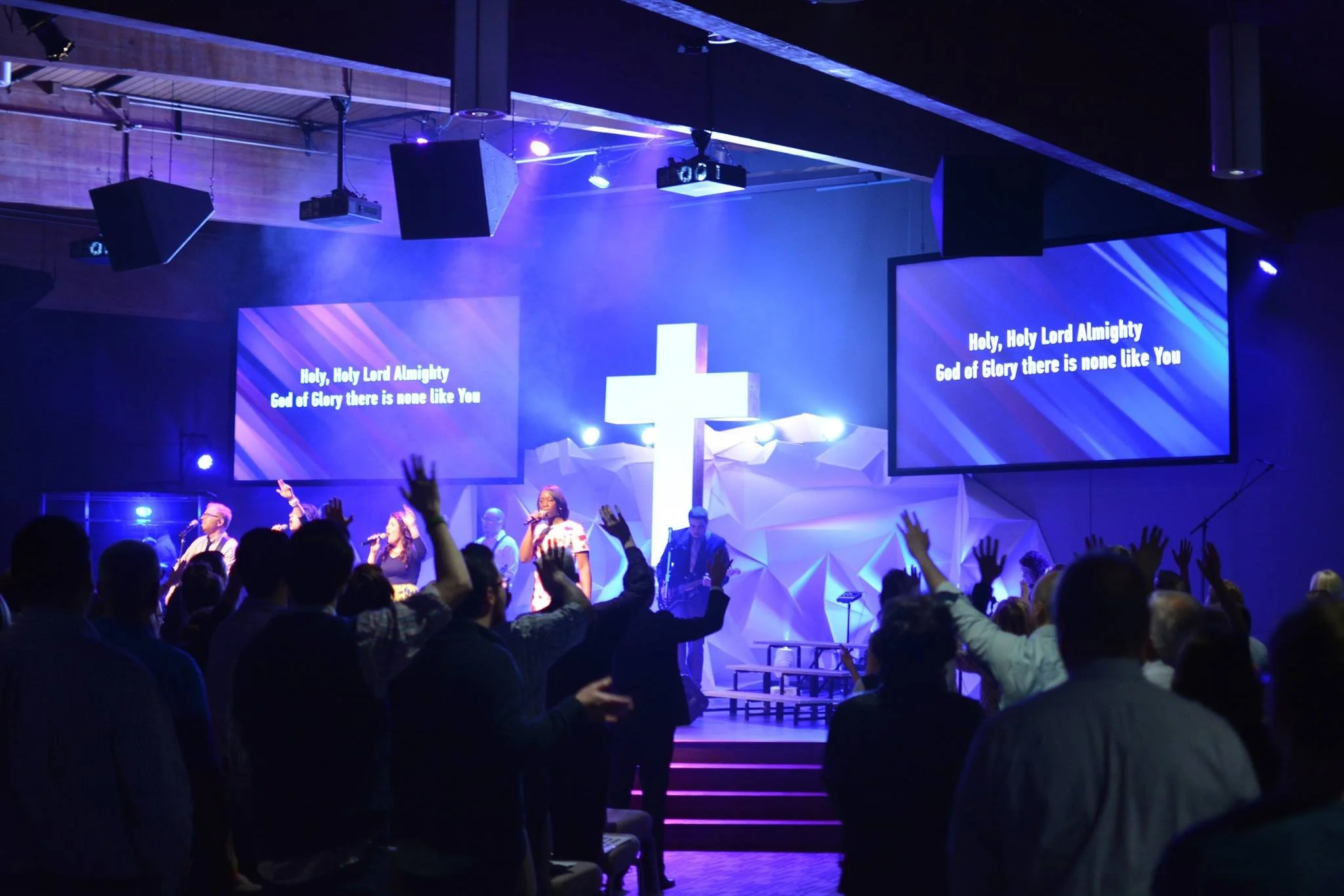
According to Gallup, nearly half of Americans attend church on Easter - almost double a typical Sunday. That means thousands of people were spiritually open enough to walk into a church this Easter, and that creates a tremendous opportunity.
In fact, the Sunday after Easter is one of the biggest opportunities churches have to reach people who are considering coming back. But it can also become one of the biggest missed opportunities if we’re not intentional.
We have to shift our mindset from Easter being a one-day event to seeing it as the start of a multi-week process to help guests return, engage, and take next steps. Churches that maximize Easter don’t see it as a day, they see it as a 30-day growth opportunity.
So how do we build on the Easter momentum instead of losing it? Here are five practical ways your church can follow up well with new guests, keep the momentum going, and reach more people for Christ in the weeks and months following Easter.
1. Make the Sunday After Easter a “Returner Sunday”
You may already be planning to start a new series or launch a ministry initiative after Easter. Frame your messaging as “Don’t miss what’s next” or “Join us as we begin a new series,” rather than simply returning to “normal programming.” People are more likely to return for a beginning rather than a continuation.
Also, consider preaching a message that guests actually need the week after Easter.
Consider topics like:
Anxiety
Relationships
Purpose
Stress
Doubt
How to pray
How to read the Bible
Try to avoid insider-focused topics like:
Vision Sunday
Budget discussions
Internal strategy conversations
Instead, ask:
“What problem does a spiritually curious person want solved right now?”
Lastly, share stories and celebrate what God did on Easter. Keep the momentum going by reminding your church why Easter mattered. This could include:
Baptism testimonies
Salvation stories
Volunteer celebrations
A recap video
Publicly thanking your teams
This helps guests see real-time life transformation as they consider taking their own next step towards Jesus.
2. Capture Guest Information (and actually use it quickly)
Churches often wait too long to follow up. The best window is within 48 hours. Remember: Speed communicates care.
Whether it's a text on Monday or Tuesday thanking them for coming or a personal invitation back the following Sunday, use the information gathered on Easter to personally reach out to every guest. And don’t let anyone fall through the cracks!
The difference between following up early in the week rather than later could be the difference between someone returning or not. And don’t think in terms of just one touchpoint but instead think multiple connection points.
Here’s an example follow-up sequence:
Monday: Thank-you text or email
Wednesday: Helpful resource (sermon link or devotional)
Friday: Personal invitation back
Example text:
"We loved having you with us for Easter. This Sunday we're talking about dealing with anxiety. We'd love to see you again."
3. Offer a Clear Next Step (not just another service)
Guests return when they see a pathway, not just an event.
Make sure you have a tangible next step available after Easter. Examples might include:
A newcomers lunch (the next Sunday or within two weeks)
A short 3-week “Intro to Faith” group
Coffee with a pastor
A “Start Here” class
Whatever you choose, make the next step simple, short, relational, and low-commitment.
Clarity increases engagement.
4. Plan a 3-Week Assimilation Flow
Instead of thinking only about Easter and the following Sunday, think about Easter and the three weeks that follow.
Example:
Week Focus
Easter Resurrection and hope
Week after Practical life help
Week 2 Belonging/community
Week 3 Invitation to a next step
Ultimately, you're moving people through a simple progression:
Attend → Return → Connect → Belong
Churches that grow from Easter think in terms of assimilation systems, not just services.
5. Mobilize Your People to Personally Invite Guests Back
The biggest factor in whether someone returns is not programming, it’s relationships.
Encourage your congregation to personally follow up:
“If you brought someone to Easter, text them this week.”
Give them a simple script like:
“Hey! Want to come with me again this Sunday?”
You could even take two minutes during a service for people to send texts and provide a social graphic they can share.
Often, the second invitation matters more than the first.
In Summary:
Easter isn’t the finish line, it’s the starting point. The real opportunity isn’t just in the attendance you saw on Easter Sunday, but in the intentional steps you take in the weeks that follow. Churches that see lasting impact from Easter are not necessarily the ones with the biggest services, but the ones with the clearest plan to help people move from curiosity to connection.
If we treat Easter as the beginning of a discipleship journey rather than a single event, we position our churches to see real life change. Follow up quickly. Create clear next steps. Mobilize your people. And most importantly, steward well the opportunity God already brought through your doors.
Because the true win of Easter isn’t just who attended - it’s who comes back, who gets connected, and ultimately who are transformed by the saving power of Jesus.